Shopify Return Rate Benchmarks 2026: What's Normal, What's High, and What It's Costing You
The average Shopify return rate is 19-21% — but that number is nearly useless without category context. See real benchmarks for apparel, footwear, electronics, and beauty, plus what actually returns.

TL;DR: The average ecommerce return rate heading into 2026 sits around 19–21% of online orders. But that blended number is close to useless on its own — apparel runs 20–40%, footwear 17–31%, electronics 8–15%, and beauty 4–12%. If your store's return rate is above your category's benchmark, the fix usually isn't your return policy — it's the gap between what shoppers expect and what actually shows up at their door.
If you run a Shopify store, you've probably had this moment: you check your returns dashboard, see a number, and have no idea whether it's normal or a five-alarm fire. This post breaks down what "normal" actually looks like by category, what drives the difference, and what merchants are doing about it in 2026.
Curious where your store lands? [See how virtual try-on affects fit-related returns →]
The headline number: ~20% of online orders come back
Multiple 2026 industry reports — including NRF's Retail Returns Landscape data and category benchmarking studies from returns-management platforms — converge on a similar range: online return rates are running between 19% and 21% of orders, more than double the 5–9% return rate seen in physical retail.
For context, U.S. retail returns alone crossed $800+ billion in the most recent full year of data, and global ecommerce returns are estimated well above $600 billion annually. Returns aren't a rounding error. For a lot of stores, they're one of the largest hidden cost centers in the business — bigger than ad spend, in many cases.
But "20%" is an average across everything from t-shirts to phone chargers, which is exactly why it's not useful for benchmarking your own store.
Return rate by category: the numbers that actually matter
Here's how the average breaks down once you split it by product category:
Category | Typical return rate |
|---|---|
Apparel & fashion | 20–40% (avg. ~25%) |
Footwear | 17–31% |
Bags & accessories | 15–20% |
Home goods & furniture | 15–20% |
Electronics | 8–15% |
Beauty & personal care | 4–12% |
Jewelry & watches | 4–10% |
Supplements & consumables | 5–10% |
A few things jump out immediately:
Apparel and footwear are in a different universe from everything else. A clothing brand running a 25% return rate is completely normal. A jewelry brand at 25% would be a serious problem.
The gap between apparel and electronics is enormous — roughly 2–3x. That gap isn't random. It comes down to one thing: fit uncertainty.
Within apparel, subcategories vary too. Shoes and fast fashion tend to sit at the higher end of the range, while more standardized items (basics, accessories) sit lower.
The takeaway: before you panic about your return rate, benchmark it against your specific category, not the blended ecommerce average. A 22% return rate is a win for a footwear brand and a red flag for a supplements store.
Why apparel and footwear return rates are structurally higher
This isn't a mystery, and it isn't really fixable through policy changes alone. It comes down to what the customer can't do online:
They can't feel the fabric. Material quality — thinner than expected, different texture, cheaper-feeling than the photos suggested — is one of the most cited return reasons in every recent survey.
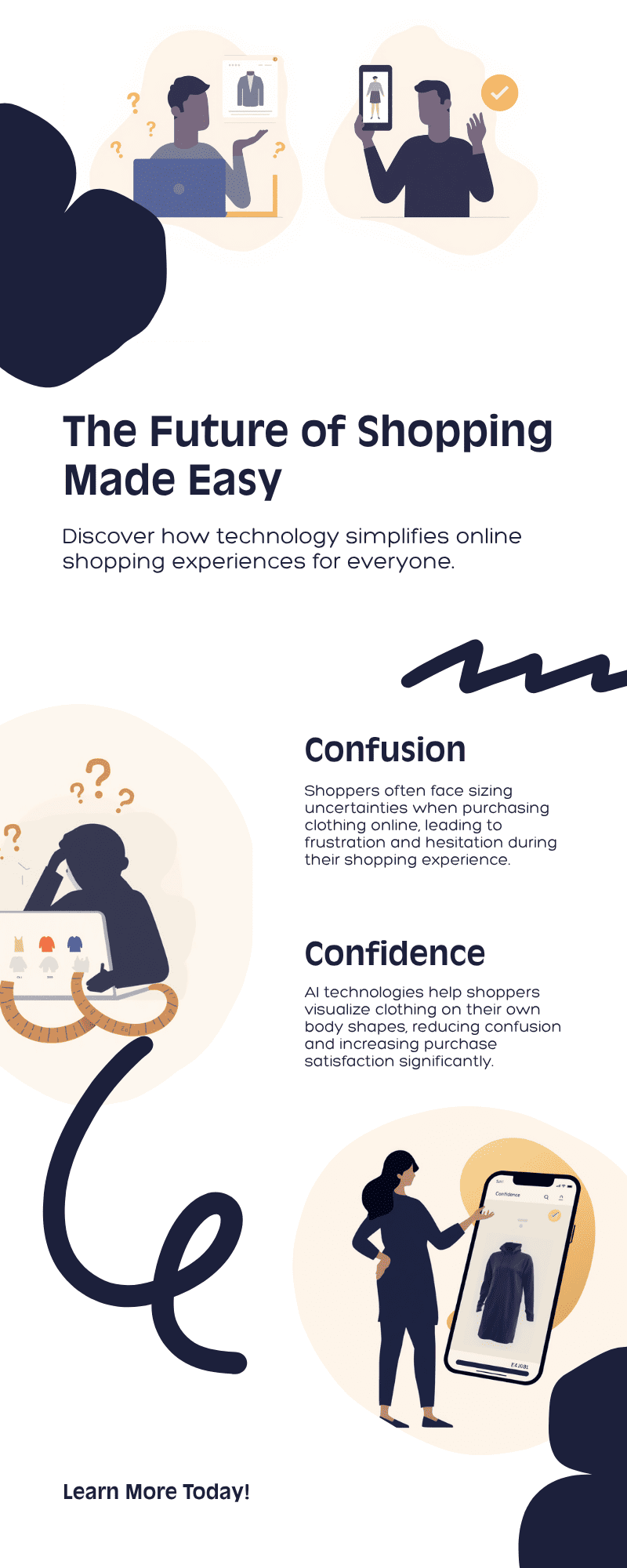
They can't see how it drapes on their body. Product photos show the garment on a model with a specific body type. The shopper's body is different, and there's no way to preview the difference before buying.
Sizing isn't standardized across brands. A "medium" from one brand fits differently than a "medium" from another. Shoppers know this, which leads directly to the next point.
"Bracketing" is now a normal shopping habit. A large share of shoppers deliberately order two or three sizes of the same item, intending to keep one and return the rest. This isn't a mistake on the merchant's side — it's a rational response to sizing uncertainty, and it inflates return rates even when the product itself is fine.
Color and finish differences. What renders on a phone screen doesn't always match reality, especially under different lighting or displays.
More than half of apparel returns trace back to fit and sizing issues specifically — not defects, not damage, not wrong items shipped. That's an important distinction, because it means most apparel returns are preventable if you close the "what will this actually look like on me" gap before checkout, not just after.
This is the exact gap Torziva closes — see how it works →
What a high return rate actually costs you
Return rate alone doesn't tell the full financial story — cost per return does. Each returned item typically costs a merchant somewhere between $10 and $65 to process, once you account for:
Reverse shipping
Inspection and restocking labor
Repackaging or write-offs for damaged/unsellable returns
Only a portion of returned apparel gets resold at full price — a meaningful share goes to clearance or liquidation, cutting into margin twice: once on the original sale, again on the discounted resale
This is why a 25% return rate in apparel can cut unit contribution margin far more than the raw percentage suggests. A few extra points of return rate on tight-margin fashion products can be the difference between a profitable SKU and a loss-making one.
How to actually diagnose your own number
Before you compare your return rate to any benchmark, make sure you're calculating it the same way the benchmarks do. A few common mistakes distort the comparison:
Mixing categories together. If your store sells both apparel and accessories, a single blended return rate hides which side of the business is actually the problem. Split it by product type before you draw any conclusions.
Comparing gross return rate to net return rate. Some merchants track "returns initiated" while benchmarks often report "returns completed." These can differ by several percentage points if a chunk of return requests never actually get shipped back.
Ignoring seasonality. Return rates spike after major sale periods (holiday season, end-of-season clearance) because bracketing behavior increases when shoppers are buying gifts or unfamiliar sizes for the first time. A snapshot taken right after a big sale will look worse than your annual average.
Not separating new customers from repeat customers. First-time buyers return apparel at meaningfully higher rates than repeat customers who already know how a brand's sizing runs. If your store is growing fast and acquiring a lot of first-time buyers, expect your return rate to trend upward even if nothing else changed.
Once you've normalized for these, pull your return reasons (most Shopify apps and return-management tools tag this) and sort by volume. In apparel and footwear stores, "didn't fit" and "not as expected" almost always dominate the list — usually well ahead of damage, wrong item, or changed-mind returns combined. That ordering is the clearest signal that the fix belongs before checkout, not in your returns portal.
So what's "too high"?
Rough rule of thumb for 2026, by category:
Apparel above ~40% — worth investigating specifically (sizing, product imagery, or a bracketing problem worth addressing with better fit guidance)
Footwear above ~31% — same story, usually a sizing/fit-communication issue
Electronics above ~15% — likely a product quality or listing-accuracy issue, not fit
Beauty above ~12% — often a shade-matching or expectation-setting issue
If you're sitting comfortably below your category benchmark, don't over-optimize — some return volume is just the cost of running an online store, and overly aggressive return policies can hurt conversion more than they help.
What actually moves the needle for apparel and footwear stores
Most return-reduction advice focuses on policy — return windows, restocking fees, "no questions asked" refunds. Policy affects whether a customer trusts you enough to buy in the first place; it does very little to reduce how many items actually don't fit once they arrive.
The tactics that address the root cause (fit and expectation gap) rather than the symptom tend to move the number more:
Size charts and fit guides — helpful, but only if shoppers actually use them, and most don't
More detailed product photography (multiple angles, on different body types) — better, but still doesn't answer "how will this look on me"
Customer reviews with photos — genuinely useful, but inconsistent and slow to accumulate for new products
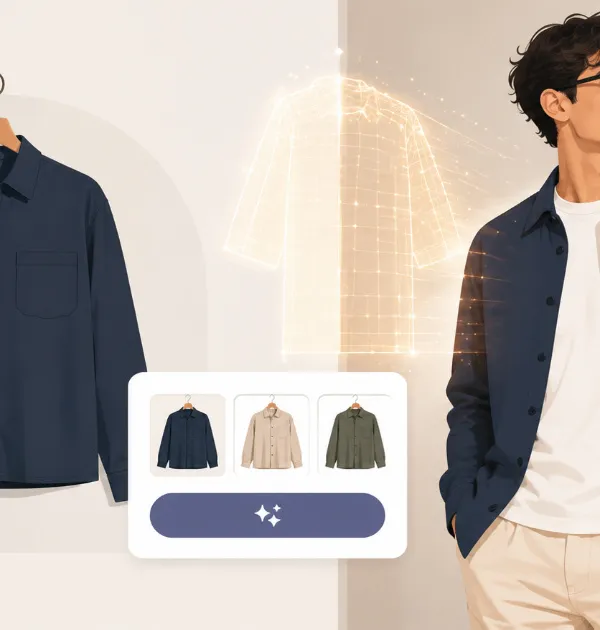
AI virtual try-on — lets the shopper upload a single photo and see the actual garment rendered on their own body before adding to cart. This directly closes the fit-uncertainty gap that drives the majority of apparel and footwear returns, rather than adding friction after the sale.
Torziva is built specifically for this last category — a "Try It On" button that Shopify merchants add to product pages, letting shoppers preview fit before they buy. Merchants using it typically see a meaningful drop in size-related returns alongside higher add-to-cart rates, because shoppers commit with more confidence instead of buying multiple sizes to compare at home.
Add virtual try-on to your Shopify store — free to start →
FAQ
What is a good return rate for a Shopify apparel store? Anywhere from 20–30% is normal for apparel in 2026. Rates above 40% usually indicate a specific, fixable issue rather than "normal" category behavior.
What is the average ecommerce return rate in 2026? Roughly 19–21% of online orders across all categories combined, though this varies heavily by product type.
Why are apparel return rates so much higher than electronics? Apparel returns are driven primarily by fit and sizing uncertainty — something shoppers can't verify online — while electronics returns are more often driven by defects or buyer's remorse, which are less frequent.
How much does a single return cost a merchant? Typically $10–$65 per return once you account for reverse shipping, labor, and markdowns on resale.
Does a stricter return policy reduce return rate? Not usually. Return policy affects purchase confidence and conversion more than it affects how many items get sent back — because it doesn't address why the item didn't fit or match expectations in the first place.
Want to see how virtual try-on could affect your store's return rate? Try Torziva free on your Shopify store →
Was this article helpful?
Your feedback helps us improve our content quality.
Suman
Verified ContributorFounder, Torziva
Building AI-powered tools to help Shopify merchants reduce returns and sell with more confidence.